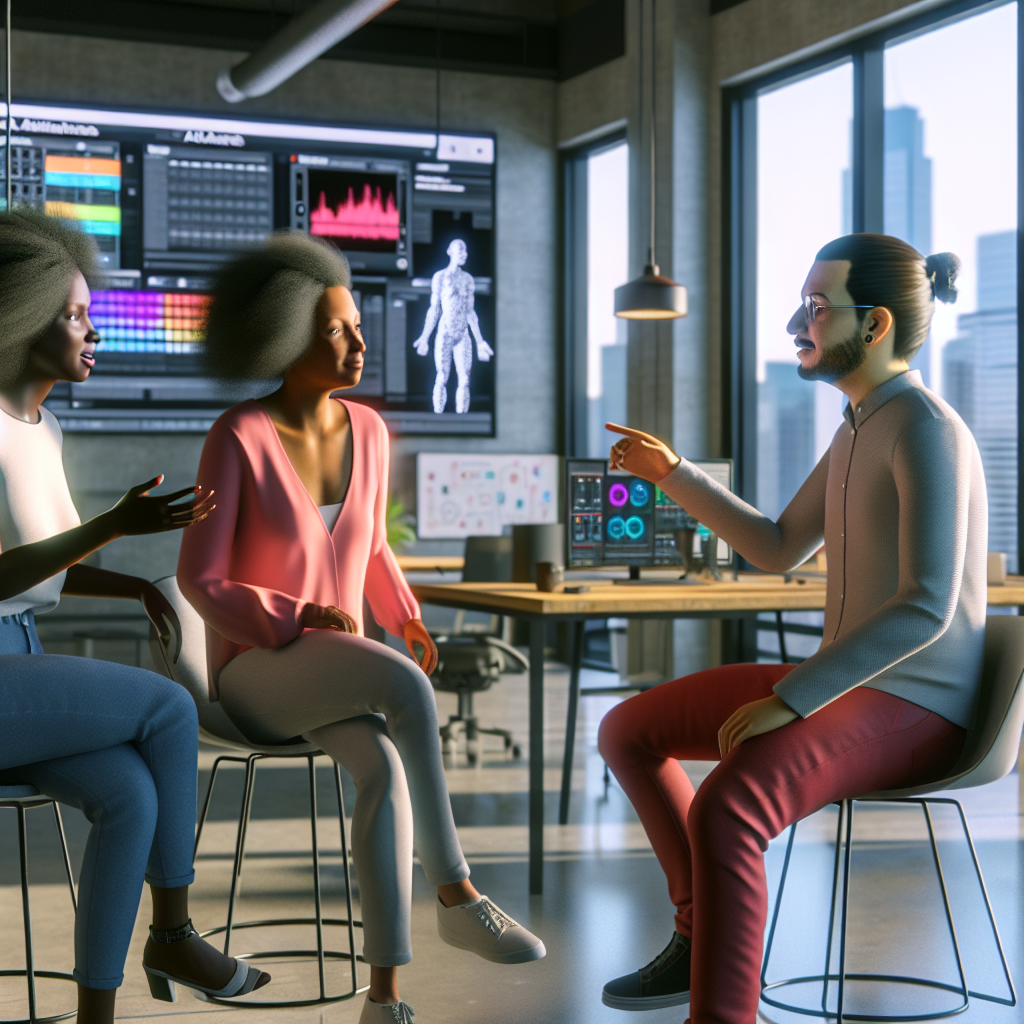

How Independent Artists Are Using Generative Algorithms to Revolutionize Music Creation
- Technology
- October 8, 2025
- No Comment
- 25
The Rise of AI Music Generation: Navigating Creativity and Legal Challenges
Introduction
In the symphony of technological revolution, AI music generation stands as a deafening crescendo, reshaping the music industry in ways unimagined. This bold innovation invites us to ponder not just its creative potential but also the legal labyrinth it provokes for artists and record labels. As AI-generated compositions blur the lines of creativity and copyright, are we on the cusp of musical utopia, or is this a harbinger of discordance?
Background
What is AI Music Generation?
AI music generation involves the use of artificial intelligence to compose music with little to no human intervention. Harnessing the power of deep learning and generative algorithms, this technology enables machines to produce original tunes that can mimic human-created music in complexity and appeal. From humble beginnings in algorithmic composition to today’s sophisticated platforms like OpenAI’s MuseNet, AI has evolved dramatically, continually pushing the boundaries of creativity (Gartner).
History of Music Technology
Music technology’s journey from the mechanical piano rolls to digital synthesis and now AI-driven compositional tools is a continuum of groundbreaking innovation. Just like the electric guitar transformed rock and roll, generative algorithms are now challenging traditional music-making norms. The technological lineage—from MIDI to digital audio workstations—has set the stage for algorithms capable of learning musical patterns and creating harmonies that resonate in the human soul (MIT Technology Review).
Current Trends
The Proliferation of AI-Generated Music
AI-generated music is no longer a novelty; it’s a burgeoning phenomenon infiltrating playlists, commercials, and movies. Acclaimed artists like Taryn Southern and robot-composers like AIVA have showcased the technology’s potential, bridging the gap between traditional music and digital experimentation. But as AI compositions gain popularity, a spectrum of responses emerges, from awe to apprehension. Is this the democratization of creativity, or a formidable challenge to human artistry?
Record Label Lawsuits
The integration of AI in music hasn’t been without friction. Record labels, guarding their turfs, have initiated lawsuits to protect their interests. Cases like the lawsuit against an AI startup accused of plagiarizing melodies highlight the friction between innovation and intellectual property rights (TechCrunch). These legal skirmishes raise pivotal questions about ownership and authenticity in a world where machines create music.
Insights
Balancing AI Creativity and Copyright
Navigating the tightrope of AI creativity and copyright protection is a formidable challenge. On one hand, AI offers unprecedented creative potential, liberating musicians from mundane constraints. On the other, copyright laws struggle to keep pace, grappling with the ownership of algorithm-generated music. It’s akin to deciphering a Da Vinci painting mid-stroke: understanding is crucial before imposing confines.
Public Perception and Acceptance
AI music’s reception remains polarized. While innovative artists laud the creative liberation, purists mourn the loss of human touch. Fans are torn—some mesmerized by technological prowess, others yearning for authenticity. As with any disruptive technology, perception is shaped by familiarity and understanding, signaling a slow yet inevitable acceptance.
Forecast
The Future of Music Creation with AI
The symbiotic partnership between human and AI artists could spearhead a new era in music creation. Imagine co-composing symphonies where AI handles intricate details, allowing human artists to focus on emotional expression. This isn’t merely speculative; bands like Holly Herndon’s Spawn have already started such collaborations, offering glimpses into a harmonious future.
Potential Changes in Legislation
The legislative landscape will undoubtedly evolve, reflecting societal shifts in how AI-generated work is perceived and valued. We may soon witness the emergence of hybrid copyrights, recognizing the collaborative nature of AI and human creativity. This foresight hinges on lawmakers comprehending the technological intricacies and ethical implications, a feat as challenging as composing a symphony itself.
Call to Action
As AI weaves its compositions into the fabric of our musical landscape, it beckons artists, listeners, and tech enthusiasts alike to stay engaged. Embrace AI music, staying informed about ongoing legal developments. Consider how this technology might enhance your own musical endeavors, and remain open to the beautifully unpredictable duet that is human innovation and artificial intelligence.
Explore more at TechCrunch’s coverage on the legal battles within the AI music terrain. As we march forward, let us compose not just music but the future of creativity itself.