
How Artists Are Using AI to Revolutionize Creative Industries
- Technology
- September 19, 2025
- No Comment
- 31
The Future of Creativity: How AI Creativity is Shaping the Creative Industries
Introduction
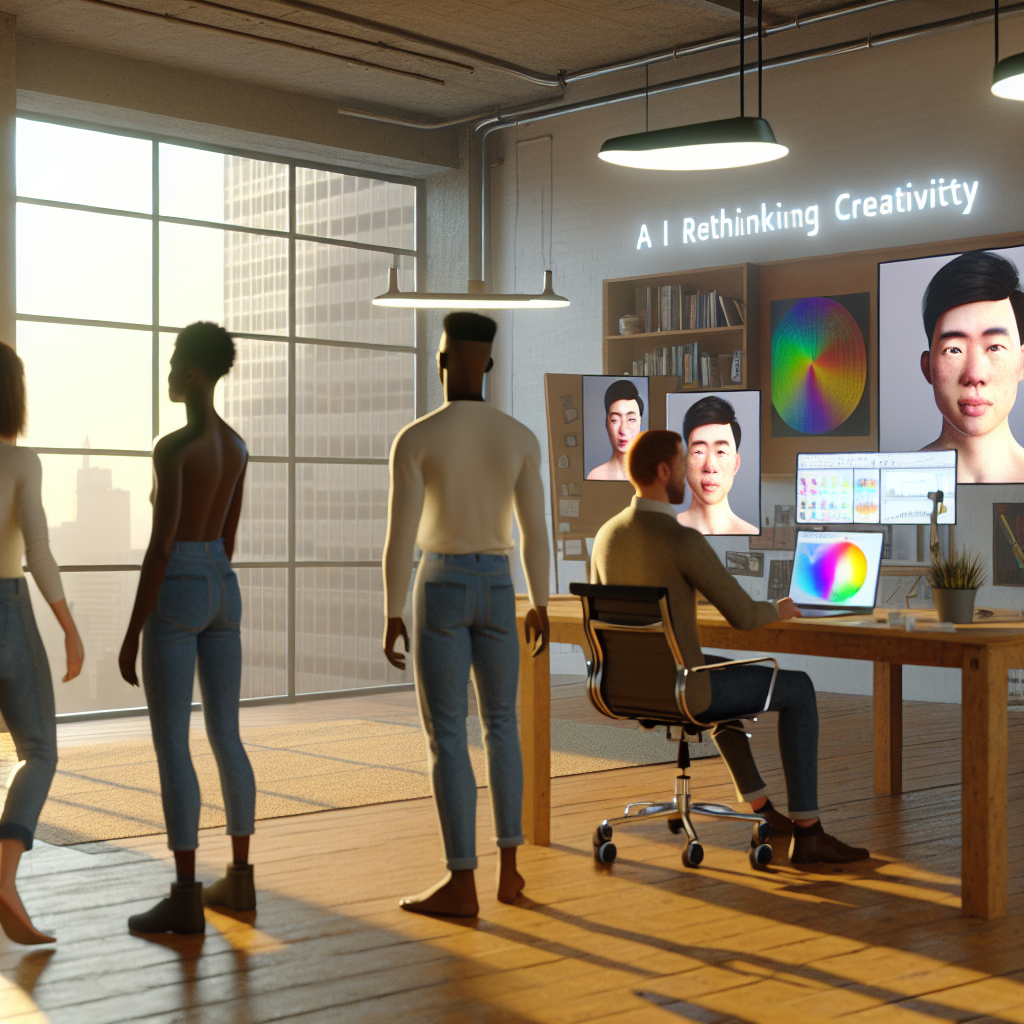
The intersection of technology and art is not a new concept, but the strides artificial intelligence (AI) is making in the creative industries signify a revolutionary shift. AI creativity is not merely about trendsetting; it is redefining the boundaries of artistic expression and reshaping industry landscapes. As AI continues to infiltrate various domains, the world of art is witnessing a transformation propelled by algorithmic brilliance and machine learning capabilities, making the integration of artificial intelligence in art a critical element of future innovation.
Background
The journey of artificial intelligence within the creative industries is a tale of gradual evolution. Early applications of AI in creativity were met with skepticism, as computational power and machine learning algorithms were in their infancy. Initial efforts in AI-generated content often faced criticism due to their perceived lack of authenticity and emotional depth. Nevertheless, significant technological advancements—driven by continuous research and development—have gradually increased the acceptance of AI in traditional art circles.
Consider the analogy of a seed growing into a mighty tree: AI in art began as an experimental seed, facing resistance from the entrenched norms of human-centric creativity. Yet, through nurture and innovation, it has burgeoned into an influential force, blending the creative prowess of humans with the meticulous precision of machines. Innovations in neural networks and stylistic algorithms have played pivotal roles in this evolution, allowing AI-generated content to reflect human-like creativity that challenges conventional artistic norms.
Trend
Currently, AI creativity has become a staple in artistic endeavors, offering tools and platforms that allow creators to transition from traditional methods to innovative strategies. Artists and designers are increasingly embracing AI tools to enhance their work, simultaneously expanding the creative possibilities at their disposal. For example, the AI system DeepArt has enabled artists to recreate photos in the style of famous painters, illustrating how AI can be harnessed to augment artistic output.
Moreover, AI’s role in creative industries extends beyond standalone projects, with AI-powered software such as Generative Adversarial Networks (GANs) producing new artwork styles and compositions that were previously unimaginable. These technologies are enabling artists to experiment and innovate in ways that are reshaping the artistic landscape, making AI in art an indispensable ally.
Insight
Insights from industry leaders emphasize the profound impact AI is having on the creative industries. Thought leaders like those from OpenAI and Anthropic underscore AI’s ability to foster new creative potentials. As stated in the Technology Review, investments in R&D—particularly in AI applications—are pivotal for long-term creative advancements. Leading voices in the field highlight AI not as a replacement but as a complement to human creativity, enabling the exploration of art forms with fresh perspectives.
The implications of R&D in this domain are profound. AI-infused creativity is prompting a reevaluation of what it means to be original and creative, challenging creators to think beyond the conventional and explore novel dimensions of artistic expression.
Forecast
Looking into the future, the integration of AI creativity in the creative industries promises to usher in an era of unprecedented collaboration and innovation. As AI technologies become more sophisticated, they are likely to spawn new forms of artistic collaboration between human artists and AI systems. This dynamic relationship could redefine market dynamics, offering creators new opportunities and platforms for their art.
Future creative industries might witness an ecosystem where AI acts as a co-creator rather than a tool. This will lead to diverse creative outputs that blend human empathy with AI precision. We can anticipate significant shifts in market dynamics, including the emergence of new niches and business models centered around AI-generated art, underpinned by further R&D investments as exemplified by entities like Tesla and OpenAI.
Call to Action
The transformative power of AI creativity is undeniable, and it beckons creators to engage actively with AI tools to augment their artistic practices. By exploring and experimenting with artificial intelligence, artists can unlock new potential, pushing the boundaries of what is considered possible in art. We invite readers to share how AI has influenced their creativity and join the broader conversation about its future. Engaging with articles such as this one from the Technology Review can provide valuable insights into the evolving role of AI in creative endeavors.
In conclusion, AI creativity is not just a fleeting moment in the art world; it is a formidable force redefining the future of creativity across the globe. As we stand on the brink of this new frontier, the collaboration between human imagination and AI promises to unlock artistic expressions that are yet to be conceived.